Showing posts with label environment. Show all posts

Friday, December 10, 2010

Modern Environmental Health Hazards in Africa

http://www.healthhype.com/wp-content/plugins/air-pollution.jpeg

Traditional environmental health hazards such as lack of access to potable water, indoor air pollution from biomass burning and lack of sanitation and hygiene have long plagued African nations. However, with growth in urbanization and industrialization, these countries are now facing more modern environmental health hazards such as heavy metals like lead and mercury, pesticides and air toxics. Sources of these hazards include consumer goods, household paint, leaded gasoline (which is still sold in North Africa), pesticides, industrial pollution, domestic and hazardous waste, polluted water and artisanal gold mining and processing. With increased urbanization and industrialization of many African cities, air pollution in particular has become an issue of public health concern.

Current management of modern environmental health hazards in Africa is inadequate, and it is necessary to put in place various safeguards for environmental health, such as stable institutions, adequate infrastructure, monitoring capacity and regulatory frameworks. Human exposure to such hazards has the potential to significantly affect the levels of illness and disease in Africa. For those populations with compounding factors that impair resilience to toxicologic challenges, such as malnutrition, the disease burden may be higher.

Friday, March 12, 2010

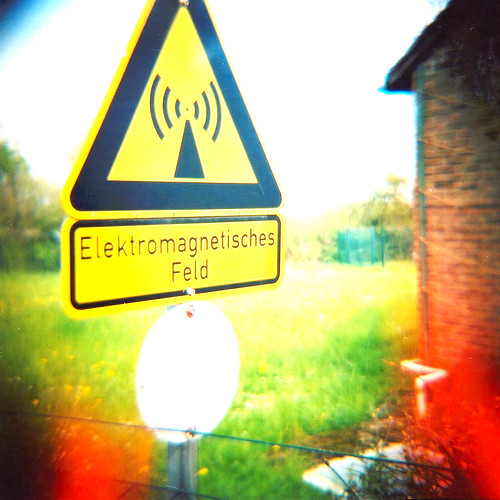
Electro Magnetic Field - Hazardous to Our Health

Experts have studied how invisible waves of energy from electromagnetic fields effect animals and humans and how they lead to environmental health hazards . In the early 1970s electromagnetic fields were linked to the onset of childhood leukemia, and other studies have revealed that electromagnetic fields can cause pacemakers to malfunction as well as other equipment and monitors. Electromagnetic energies have also been linked to other illnesses, cancers, and birth defects in animals, too.

Different appliances produce different amounts of electromagnetic energy. For instance, one's microwave emanates an electromagnetic field measured at 300 milliGuass when gauged from six feet away from the device. A hairdryer might generate 700 milliGuass. Even an electric blanket generates electromagnetic energy and exposes the sleeper to potentially hazardous energies.Many people have serious concerns over the use of computer technologies and mobile devices too since both of the latter emit electromagnetic fields of various levels and human beings are exposed to such devices all of the time.

To avoid potential dangers associated with electromagnetic exposure, it is recommended that individuals minimize their exposure to potential electromagnetic sources, if it is at all possible to do so. People are advised to distance themselves from known sources of electromagnetic energy. Sources can be identified with an inexpensive device known as an electromagnetic detector. A cell sensor device costs no more than 35 to 40 dollars and will give the user of the device a clear indication where EMF energies are emanating from in one's home, so that they can better distance themselves from such energies when possible. Some experts suggest the use of a Faraday cage to shield or shell any item that is capable of generating electromagnetic energies, but this is not always a practical application.

Tuesday, March 9, 2010

Health Hazards Of Chemical Fertilizers


Health hazards of chemical fertilizers are birth defects, reproduction problems, liver damage, kidney damage, Blue Baby Syndrome, and reduced immune response.

Get the Facts about an Industrial Secret

Fact 1: Industries around the country are disposing of toxic waste by giving it to fertilizer manufacturers.

Fact 2: Some fertilizer has been found to contain dioxin, one of the most dangerous environmental chemicals ever identified, and heavy metals such as lead, cadmium and mercury.

Fact 3: Some plants such as lettuce, corn and potatoes uptake metals.

Fact 4: Common fertilizers used by families on gardens or by farmers on fields of edible crops may contain toxic metals in amounts greater than what the law defines as “hazardous waste.”

Fact 5: The law does not require fertilizer manufacturers to label which fertilizers contain toxic metals or where the hazardous wastes were obtained.

Fact 6: Toxic metals known to have serious health effects are present in fertilizers, yet there is no assessment of the cumulative danger to children, animals and soils resulting from the persistent application of fertilizers containing hazardous waste.

Fact 7: Children are most susceptible to the toxic effects of most metals, especially lead, which has been the subject of intense government efforts to reduce lead exposure to children. Products like fertilizer are of great concern as children spend more time on or near the ground and are often exposed to ground level substances through hand-to-mouth behavior.


The toxic substances found in the tested fertilizers have been linked to adverse human health impacts. The metals found in these fertilizers are known or suspected carcinogens, reproductive and developmental, liver, and blood toxicants. For example, beryllium is a suspected carcinogen, chromium and arsenic are known to cause cancer and barium can cause kidney and lung damage.